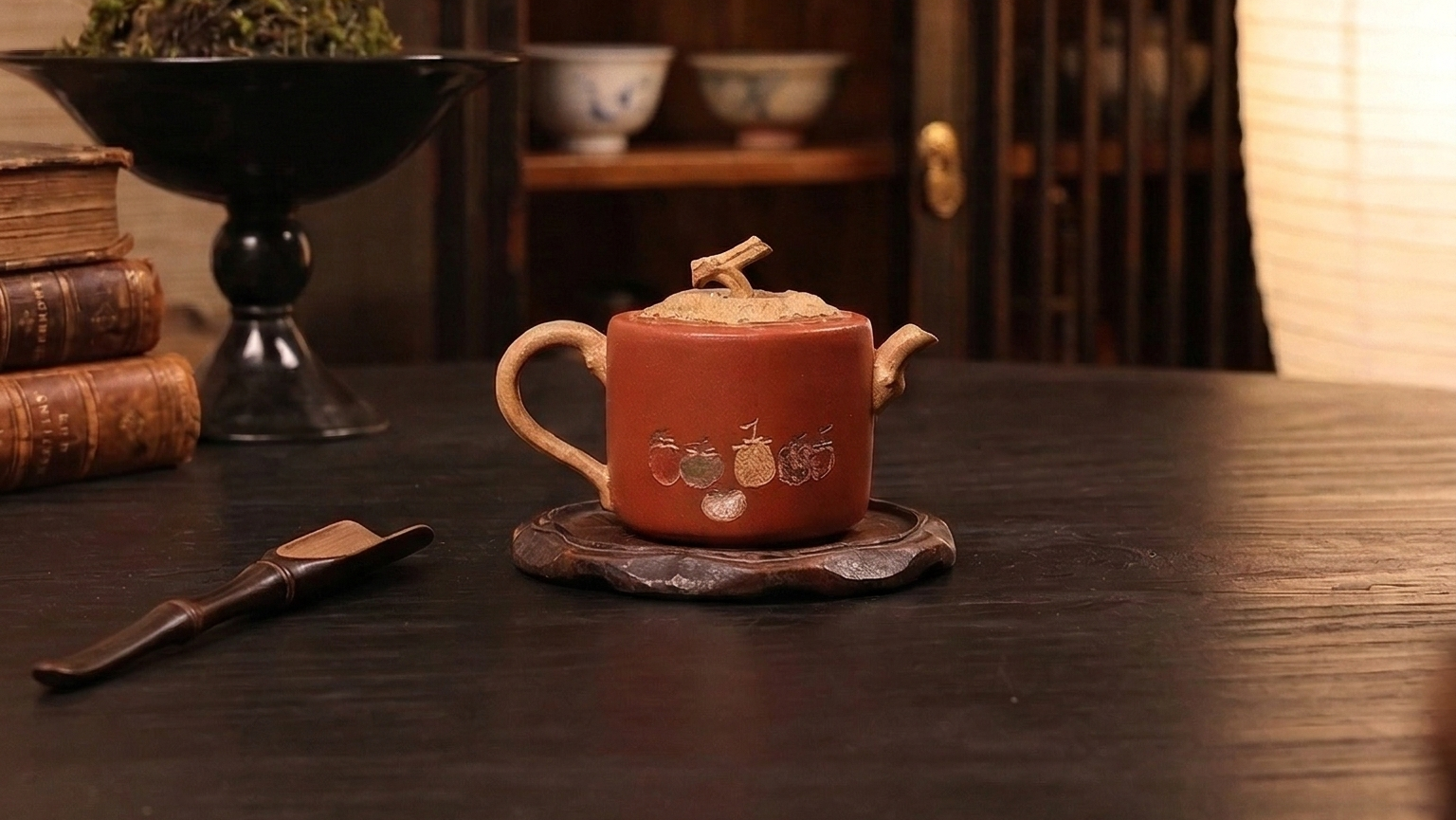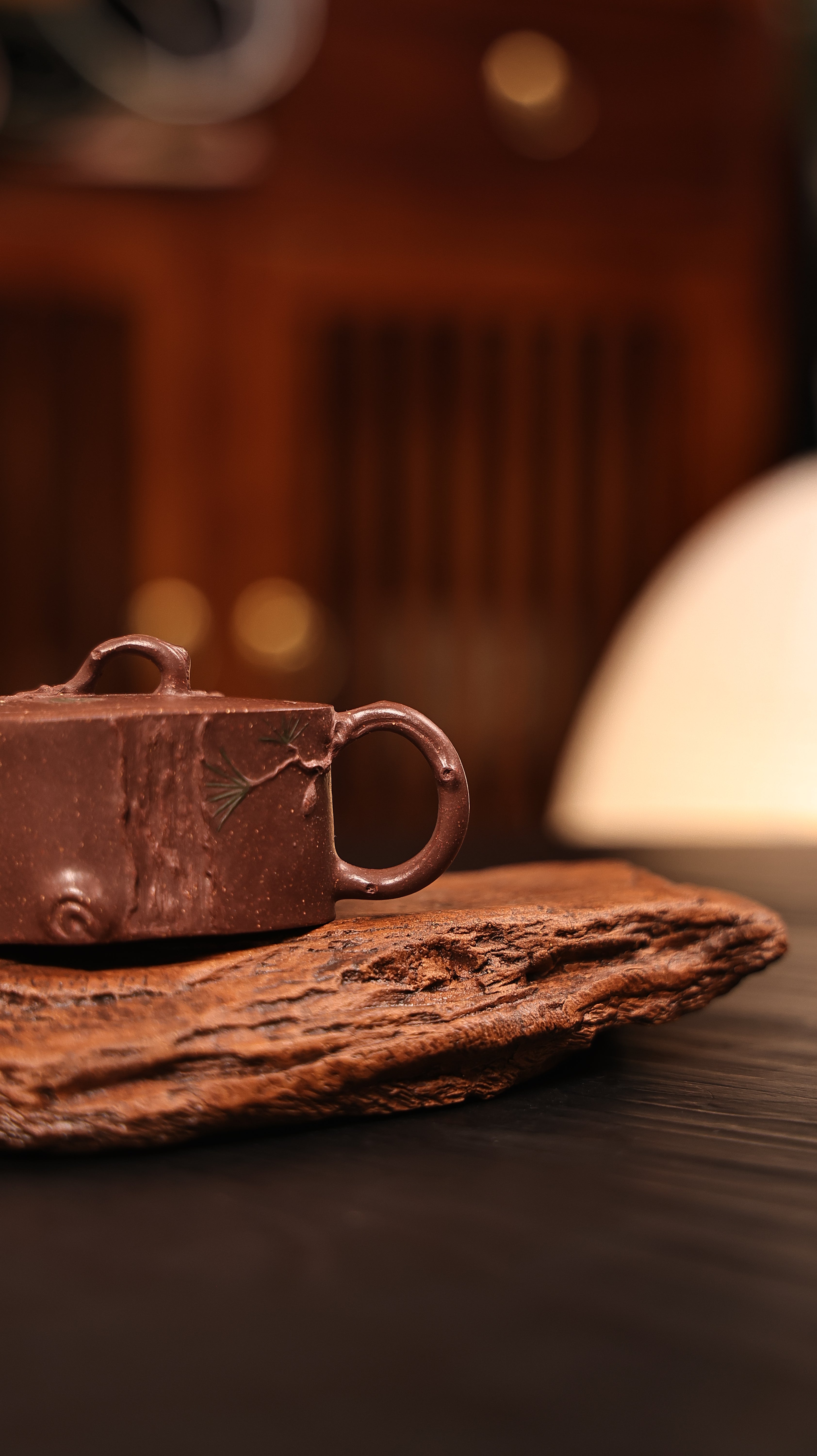
Ages of lovers have long pursued the exceptional fascination of Yixing Zisha earthenware. Founded in the scenic town of Yixing, the territory, these jars are shaped from a unique and sourced purple clay renowned for its exceptional thermal elements and efficacy to intensify the essence of infusions. Apart from their functional appeal, Zisha teapots exemplify a extensive historical heritage, designating them notably cherished and a true masterwork for any enthusiastic teapot appreciator.
Understanding Yixing Pitchers
Historical teapots showcase a noteworthy unification of history and masterful craftsmanship. Coming in Yixing, Jiangsu Sector of China, their narrative begins from the Ming Dynasty, although proof suggest earlier examples. The unparalleled reddish-brown clay, called Zisha, found merely in the Yixing region, is the fundamental component, contributing to the pots' exceptional heat preservation and the manner they modify the quality of tea. Generations of potters have enhanced techniques—often inherited through families—including shaping the clay, applying intricate embellishments, and firing the pots at controlled temperatures.- At first, Yixing teapots were often embellished with simple designs.
- Afterwards, more sophisticated carvings and expressive motifs became widespread.
- The baking procedure itself is a essential element, requiring decades of proficiency.
Accumulating Zisha Teapots: Key Aspects
Setting out on a pursuit to assemble Zisha earthenware can be fruitful, but it’s essential to recognize what to consider. Authenticity is key; focus on the soil’s natural tone, a muted reddish-brown is regular. Examine the grain; genuine Zisha has a particular tactile sensation, often described as slightly coarse. The outline should be pleasing and consistent with time-honored styles, while inscriptions, if present, require careful examination for validity. Don’t resist to consult with qualified collectors or trusted resources – their understanding is invaluable.
A Containers: Surveying the Tradition of the Yixing Zisha Clay
Generations have seen Yixing Violet Clay teapots preserve a special role in Chinese tradition. These carefully constructed pots, sourced specifically from the region of Yixing, are renowned for their recognizable tone, grain, and their ability to develop the bouquet of potions. Legions of collectors acquire antique Yixing teapots, valuing them highly not only for their aesthetic appeal, but also for the past they embody.
Yixing Zisha Teapots: Unique Leading Classes and Their Traits
Purple Earthenware teapots, established in the renowned territory of Yixing, the country, are noted for their special clay and superb brewing qualities. Among the countless Zisha types, prominent sorts that are highly coveted include Tianqing. Binzhou, known for its profound purple shade and even texture, delivers a mild flavor. This Duan Ni variety, recognizable by its orangish color and partially grainy feel, is assumed to enhance the fullness. Lastly, Zhuni Zisha boasts an peculiar vermilion tone and can provide a delightful nuance. Each variety supplies a varied experience, causing them highly desirable for infusion enthusiasts.
Achieving Your Ceramic Pitcher
To unleash the wonder of your Yixing container, grasping the correct method is indispensable. These clay teapots, celebrated for their porosity, will successively incorporate the flavor of the tea you formulate within them. Begin by flushing the teapot thoroughly with tepid water. Then, use only premium unpacked leaf tea, as lower quality options can degrade the clay’s delicate qualities. Always let the leaves to grow completely, and remember that with each infusion, your Yixing teapot will become steadily unique.
Sustaining Your Cherished Zisha Relic
Proper attention for your Zisha urn is vital to sustaining its longevity and price. Zisha clay, recognized for its unique tinge and feel, requires mindful handling. Never use harsh solutions, as these can harm the layer. After every action, rinse the pot with gentle warm water and allow it to ventilate completely.
- Decline soaking the teapot for extended intervals.
- At intervals use a soft rag to dress the exterior.
- Consider applying a thin layer of food-grade lubricant inside the urn after drying, which can minimize staining.
Basics of Yixing Clay Pots
Yixing vessels, originating from the Yixing province in Jiangsu Province, of China, are celebrated for their distinctive traits. Shaped from the unique purple clay known as Zisha, these containers are prized by brew enthusiasts worldwide. This digest will briefly explain the principles – covering forms of Zisha composite, prevailing shapes, and important care recommendations. Understanding the foundation of Yixing pitchers can heighten your appreciation for this traditional example of Oriental craftsmanship.
Technique of Eastern Pots: Focusing on Zisha sourced from the Yixing district
Zisha material from Yixing locality represents the peak of Chinese pot design, boasting a special fusion of authentic beauty and utilitarian artistry. These notable pieces are acclaimed for their bold complexions, often including strong purples and copper hues to delicate greys and subtle beiges. The defining mineral composition of the exclusive-to-the-area Zisha substrate imparts a unique texture and furnishes a pleasant aroma that heightens the aggregate drink experience, resulting in them greatly coveted collectibles and critical components of any serious infusion.